
Roof planning for Frederick homes
Historic rooflines. Modern weather protection.
Frederick combines steep-roofed downtown rowhouses, brick twins, farmhouses, postwar neighborhoods, and newer subdivisions. Roofing plans work better when they connect the surface to masonry chimneys, copper or metal details, attic ventilation, summer storms, winter freeze-thaw cycles, and the transitions created by additions.
Independent matching resource · No-pressure requestLocal roof context
The roof is an assembly, not a color sample.
Downtown rooflines, Baker Park homes, older streets around Hood College, and expanding neighborhoods beyond the historic core reflect many building eras. Slate, asphalt shingles, low-slope additions, dormers, box gutters, and brick chimneys make edge and flashing details especially important.
Read the planning guide →Roofing services
Organized around the assembly.
Roof Replacement
Plan tear-off or recovery around deck condition, ventilation, flashing, drainage, material, and weather protection.
Explore →02Roof Repair
A stain or missing shingle is a clue. A useful repair traces the route from surface detail to deck and interior.
Explore →03Asphalt Shingle Roofing
Shingle choice matters, but underlayment, fastening, starter, valleys, flashings, and ventilation carry the assembly.
Explore →04Flat & Low-Slope Roofing
Low-slope roofs depend on compatible membranes, positive drainage, edge details, penetrations, and careful transitions.
Explore →05Flashing & Ice-Dam Protection
Chimneys, walls, valleys, eaves, skylights, and roof changes deserve deliberate water and winter detailing.
Explore →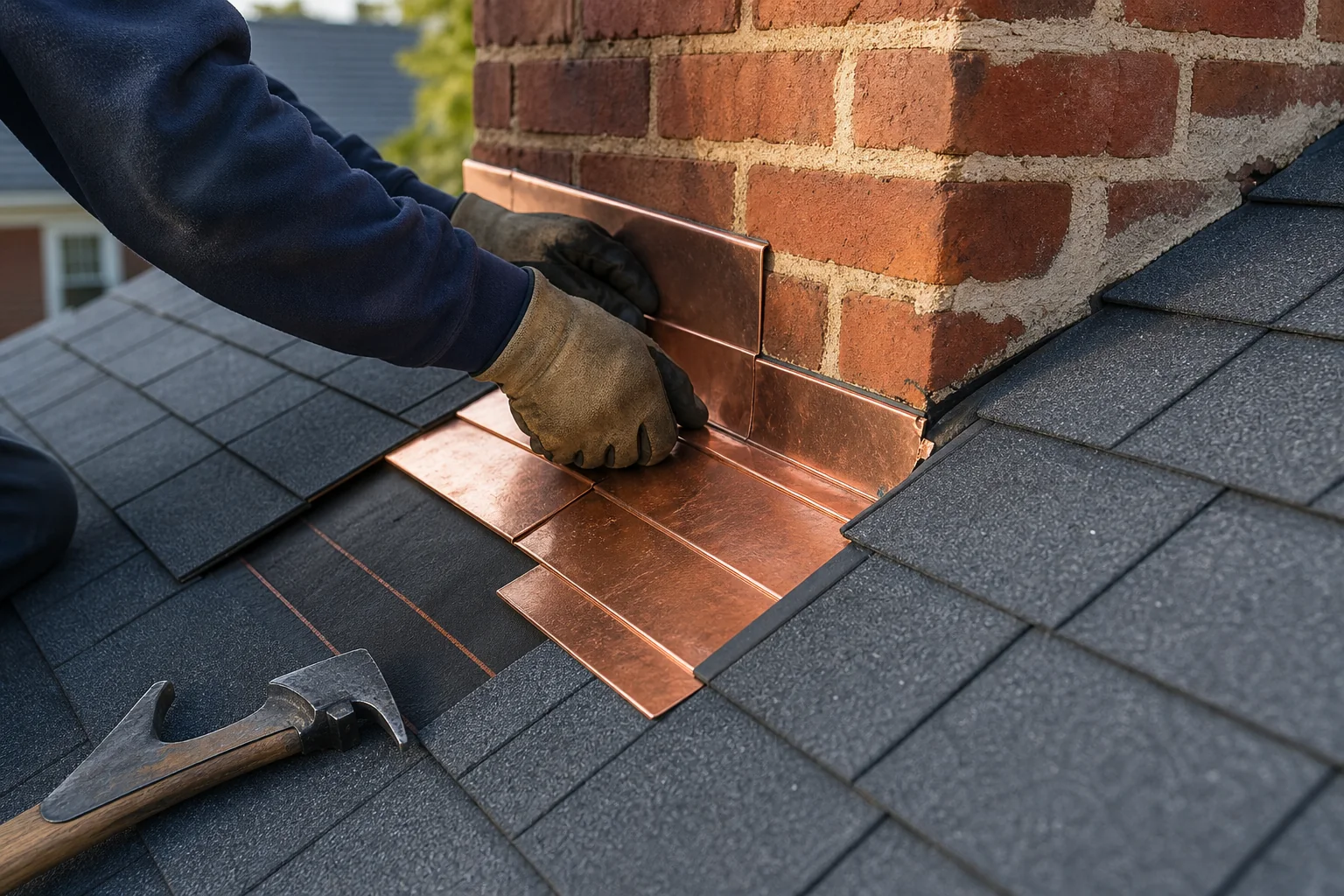
What lasts beneath the surface
Edges and transitions decide where water goes.
Strong roofing work includes compatible materials, correct laps, secure fastening, deliberate flashing, ventilation that matches the attic, and a weather plan before tear-off begins.
See a sensible processBuilt in layers
Downtown rooflines, Baker Park homes, older streets around Hood College, and expanding neighborhoods beyond the historic core reflect many building eras. Slate, asphalt shingles, low-slope additions, dormers, box gutters, and brick chimneys make edge and flashing details especially important.
Planning-level context
Price follows geometry, access, and what is below.
Stories, pitch, valleys, dormers, chimneys, deck repair, tear-off, disposal, staging, material, and interior protection all move a quote.
Open the cost guide →A calm first step
Describe the leak, age, or project.
Do not climb onto a wet, icy, steep, or storm-damaged roof. Document safely from the ground or interior and seek emergency help for active hazards.
Questions before the estimate
Are you the roofing contractor?
No. This is an independent lead-generation and contractor-matching resource.
Does a leak mean full replacement?
Not always. Roof age, failure pattern, deck condition, surrounding details, and repairability all matter.
Can you quote from satellite imagery?
Measurements help, but condition, layers, access, flashing, deck, and ventilation still need site review.